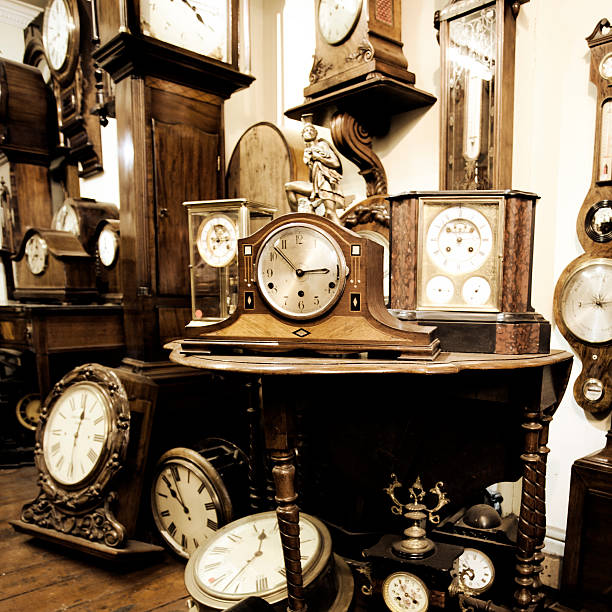
Antique clocks are not merely instruments for telling the time. They are also witnesses to the artistry and the slow-paced lifestyle of a bygone era. Mechanical table clocks, nevertheless, are the most notable of them all. They can be found in close proximity to our daily life – on tables, mantels, and cabinets – silently performing their function without any show. This manuscript brings to light the worth, the design, and the part of mechanical clocks in the present-day homes, through unpretentious language and practical wisdom.
Table clocks were designed when people demanded precision without being dependent on churches or wall mounts. These tiny machines were the epitome of beauty and practicality. The same reason still attracts collectors and homeowners to them. They are very much a part of their owners’ lives. You can wind, and watch, and listen to them.
“ A table clock is not primarily a piece of art. It is a reliable tool that has earned its place.”
The Legacy of Timekeeping on the Table
The timepieces that were to be kept on a table first appeared in 17th century Europe. The artisans gradually made the immensity of mechanical clocks smaller and smaller until the small portable cases were made. Such materials as wood, brass, and enamel became the norm. Designs kept changing according to the public’s taste. The portal of the Baroque, classicism hegemony, yet, the functionality remained the same.
The clocks mostly resided in the study or bedroom partly shared with other rooms. They determined how much time the person should spend on each of such activities as work, meals, and sleep. Unlike wall clocks, the table clocks were always at eye level. Their position determined their design. The dials were large, the minute hands were wide, the cases were strong.
To illustrate: a typical walnut clock of the mid-1800s would use a simple pendulum and a white enamel dial. The idea was not to adorn but to provide maximum visibility.
Why Collectors Still Seek Vintage Antique Clocks?
For three primary reasons, collectors hold vintage antique clocks in high regard: construction quality, ease of repair, and history. These clocks were made to endure. The components were either cut by hand or with simple machines. Today, screws, springs, and gears can still be repaired.
Moreover, they share a history. A chip on the case or a discolored dial indicates many years of use. That aging gives history. It does not lower worth when it is honest and part of the whole.
The majority of collectors initially go for table clocks as they are cheaper than longcase clocks and do not require much room.
Tip from the expert: It is always good to check if the movement runs freely. A forced winding can cover up a fault.
How Table Clocks Fit Modern Spaces?
Table clocks fit perfectly in modern rooms as they are silent in design. A single clock on a shelf gives balance to the room. It doesn’t make the area feel crowded. The wood tones mellow the sharp edges of the design. The brass details give the room a welcoming feeling.
In fact, you do not even need a period room. A simple desk or sideboard will do. Place the clock where the light will shine on the dial. Avoid direct sunlight. Heat can dry the wood and, consequently, cause the parts to be out of alignment.
Most people would say: a good table clock anchors a room without asking for attention.
Choosing the Right Table Clock
Size should be the starting point. The height of most table clocks is between 8 and 14 inches. The one that is suitable for the surface is the best for you. Secondly, consider the type of movement. Spring-driven movements require frequent winding. Weight-driven ones, rare in table form, can be found though.
Less age but more condition is the collector’s buzzword. Verify that the parts are original. Cases that have been refinished lower the price. If the movement has been changed, the clock’s story has also changed.
A clock that has been restored with original gears has more interest than a perfect case with a new movement.
Care and Daily Use
Make use of your clock. Allow it to run. Machines that go through their working cycle last longer. Wind it on the same day of the week each time.
Conclusion
Table clocks connect timekeeping with daily life. They sit within reach and remind us that time once moved at a measured pace. Whether you collect or simply enjoy one at home, these clocks reward attention and care. They do not rush. They mark time as it comes—steady, clear, and human.
About the Author