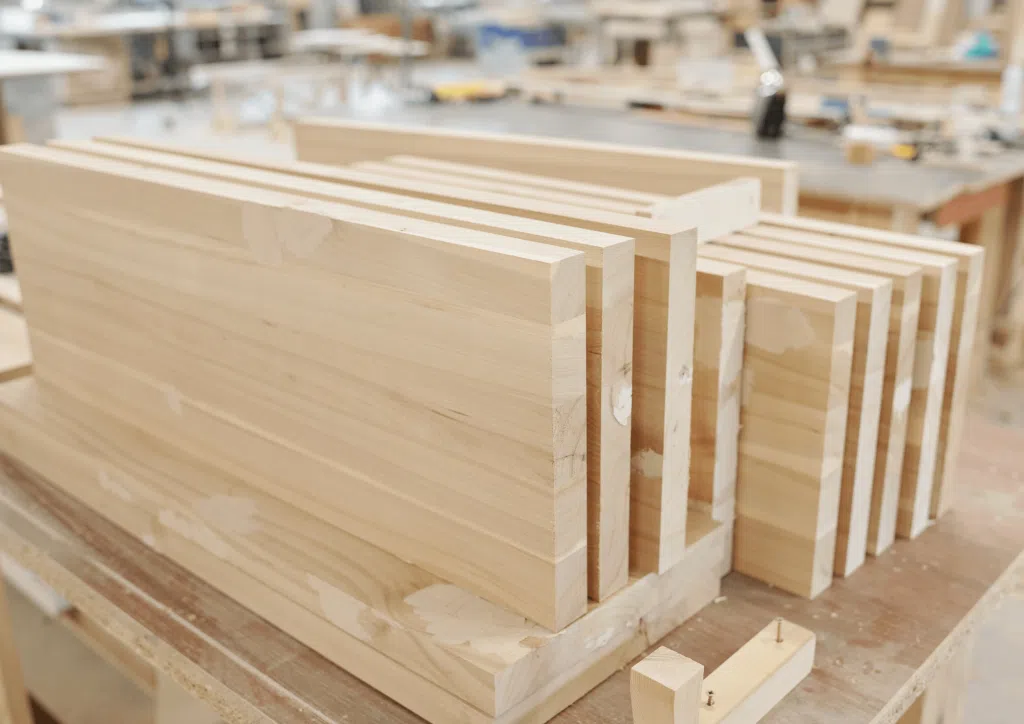
The Rising Demand for softwood lumber in Modern Construction
Walk through any new neighborhood development or home renovation site, and you’ll notice one material appearing again and again wood. More specifically, softwood lumber has become the backbone of modern residential and light commercial construction. Its popularity isn’t a passing trend; it’s rooted in performance, affordability, and environmental responsibility.
softwood lumber comes from coniferous trees such as pine, spruce, and fir. These trees grow faster than hardwood varieties, making them a renewable and cost-effective source of building material. Because of their straight grain and lighter density, softwoods are easier to cut, shape, and fasten. Builders appreciate how efficiently it moves from sawmill to job site without sacrificing structural integrity.
What truly sets this material apart is its versatility. From framing and flooring to decking and decorative trim, it adapts to countless applications. Contractors favor it because it offers a reliable balance of strength and workability, while homeowners love the warm, natural aesthetic it brings to living spaces.
Performance Advantages That Go Beyond the Surface
When people hear “softwood,” they sometimes assume it lacks durability. Many softwood species are engineered and treated to withstand heavy loads, moisture exposure, and shifting climates. Structural grade lumber is kiln dried to reduce warping and cracking, ensuring stability over time.
Modern treatment processes also enhance resistance to insects and decay. Pressure treated boards are especially popular for outdoor projects such as decks, fences, and pergolas. With proper sealing and maintenance, these installations can last for decades.
Another advantage is weight loss. Softwood boards are generally lighter than hardwood alternatives, making them easier to transport and install. This reduces labor time and lowers overall construction costs. Builders working on multistory projects often rely on this manageable weight to streamline framing without compromising safety.
Why Builders Trust softwood lumber for Structural Framing
Structural framing demands precision, strength, and consistency. That’s exactly why professionals continue to rely on softwood lumber. Its predictable grain pattern allows for accurate cuts and secure fastening, which is critical when constructing walls, roofs, and floor systems.
Engineered softwood products, such as laminated veneer lumber (LVL) and glue laminated beams (glulam), take this reliability even further. These materials are manufactured by bonding layers of wood together, creating enhanced strength and dimensional stability. The result is a product capable of supporting significant loads across longer spans.
There’s also a sustainability factor that resonates strongly in today’s market. Responsibly managed forests are replanted and harvested in cycles, ensuring a continuous supply of raw material. Compared to steel or concrete, wood production typically requires less energy and generates fewer greenhouse gas emissions. For coconscious builders and property owners, that’s a meaningful benefit.
- Many construction professionals choose softwood framing because it offers an ideal balance of affordability, strength, and environmental responsibility in one dependable material.
Sustainability and Environmental Responsibility
As climate awareness grows, construction choices are under greater scrutiny. Softwood trees grow relatively quickly, allowing forests to regenerate faster than hardwood ecosystems. Sustainable forestry programs ensure that harvested areas are replanted, and biodiversity is preserved.
Wood also acts as a carbon sink. Throughout its life, a tree absorbs carbon dioxide from the atmosphere. When used in construction, that carbon remains stored within the lumber. This makes wood based building materials an important part of environmentally responsible design strategies.
Additionally, softwood lumber can often be recycled or repurposed at the end of its life cycle. Old beams may become reclaimed with décor, furniture components, or architectural accents. This extended usability reduces waste and supports circular building practices.
A Smart Investment for Long-term Value
Choosing the right building material is about more than an upfront cost. It’s about durability, maintenance, and overall performance over time. Softwood lumber provides excellent value because it combines reasonable pricing with dependable strength.
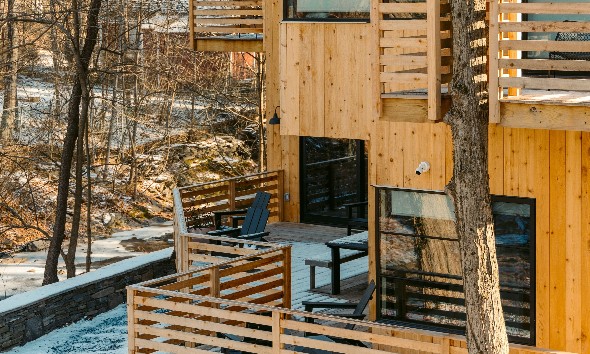
Homeowners also appreciate its visual warmth. Whether stained to highlight its grain or painted for a clean finish, softwood complements both traditional and modern architectural styles. Its adaptability makes it suitable for cozy cabins, suburban homes, and contemporary commercial spaces alike.
In today’s fast evolving construction landscape, materials must meet high standards of safety, sustainability, and practicality. Softwood lumber continues to meet and often exceeds those expectations.
Conclusion
From structural framing to decorative finishes, softwood lumber remains one of the most trusted materials in construction. Its blend of affordability, workability, and environmental responsibility makes it an intelligent choice for builders and homeowners alike. As sustainable building practices continue to shape the future, this versatile timber stands ready to support projects that are strong, beautiful, and built to last.
About the Author