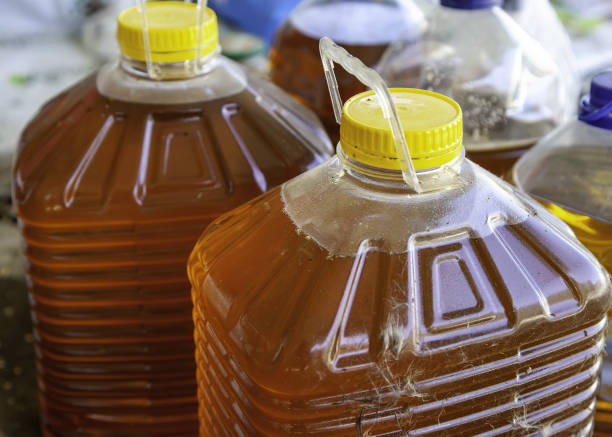
Cooking delicious meals often leaves behind used oil, but what happens next is just as important as the cooking process itself. Many people unknowingly dispose of leftover oil in ways that harm plumbing systems and the environment. Thankfully, cooking oil recycling offers an easy and sustainable solution. By storing oil in a proper used cooking oil container and sending it to an approved recycling facility, households and businesses can reduce waste while supporting renewable energy production. Every small effort contributes to cleaner communities and a healthier planet, making responsible oil disposal a habit worth adopting.
Understanding the Value of Cooking Oil Recycling
Many people think used cooking oil has no purpose after frying or roasting, but that couldn’t be further from the truth. Through cooking oil recycling, discarded oil becomes a valuable raw material for biodiesel, industrial products, and other eco-friendly applications. A quality used cooking oil container helps preserve the oil until it is ready for collection.
Recycling also helps reduce pollution caused by improper disposal. Instead of clogging drains or contaminating soil, recycled oil is processed into products that support a circular economy. This simple practice benefits both individuals and communities for years to come.
Everyday Habits That Improve Recycling Results
Building good disposal habits doesn’t require major lifestyle changes. After cooking, let the oil cool before transferring it into a clean used cooking oil container. This keeps your kitchen safer while making future recycling much easier.
Keeping oil separate from food scraps and household waste also improves recycling efficiency. Clean oil is easier for recycling facilities to process, allowing cooking oil recycling programs to recover more usable materials while minimizing waste.

Why Proper Storage Makes a Difference
Storage plays a crucial role in successful cooking oil recycling. Choosing a durable used cooking oil container helps prevent spills, unpleasant odors, and contamination. Containers with secure lids are especially useful because they reduce leakage during transportation.
Proper storage also makes collection more convenient. Whether you’re saving a small amount from home cooking or larger quantities from a restaurant, organized storage simplifies the recycling process and encourages long-term participation.
Cooking Oil Recycling Best Practices
Following a few simple guidelines can make cooking oil recycling more efficient while protecting your home and the environment.
- Allow cooking oil to cool completely before storing it.
- Use a leak-proof used cooking oil container with a secure lid.
- Keep oil free from water, soap, and food particles.
- Deliver the filled container to a trusted recycling collection point.
These small steps improve recycling quality and help ensure that valuable oil can be transformed into useful renewable products.
Environmental Benefits Everyone Can Support
One of the greatest advantages of cooking oil recycling is its positive environmental impact. Recycled oil reduces landfill waste and decreases dependence on non-renewable resources. It also supports cleaner energy production through biodiesel manufacturing.
Using a reliable used cooking oil container prevents accidental spills that can damage local ecosystems. Even one household practicing responsible disposal contributes to cleaner water systems and healthier surroundings.
How Businesses Can Lead by Example
Restaurants and food service businesses generate significant amounts of used oil every week. Implementing an organized cooking oil recycling program helps maintain cleaner kitchens while demonstrating environmental responsibility.
Employees should know how to safely transfer cooled oil into a designated used cooking oil container and avoid mixing it with other waste materials. Regular recycling pickups further improve efficiency and reduce storage concerns.
Creating Long-Term Recycling Habits
Sustainability begins with consistency. Families can place a used cooking oil container in an accessible location so storing oil becomes part of their regular kitchen routine. Over time, these small actions become lasting habits.
Businesses can strengthen their recycling culture through employee education and clear disposal procedures. As participation grows, cooking oil recycling becomes a practical solution that benefits everyone involved.
Conclusion
Cooking oil recycling is one of the easiest ways to reduce household waste while protecting natural resources. Proper storage in a dependable used cooking oil container ensures safe handling and supports efficient recycling. Whether you’re managing a family kitchen or operating a busy restaurant, responsible recycling creates lasting environmental benefits. By making thoughtful disposal part of your routine, you help turn used cooking oil into a valuable resource instead of unnecessary waste.
About the Author