The intersection of data science and craft product businesses is producing some of the most interesting business models of the current decade. Nowhere is this more visible than in the world of premium coffee beans, where roasters are combining traditional artisanal expertise with sophisticated analytics to improve quality, optimize operations, and personalize customer experiences at scale. For entrepreneurs who see data and craft as separate worlds, the coffee industry offers compelling evidence that their integration produces superior outcomes.
How Specialty Roasters Are Using Roast Data to Achieve Consistent Excellence
Modern coffee roasting machines generate an enormous volume of data. Temperature progression curves, airflow rates, bean moisture levels, and color meter readings all create a digital fingerprint for each roast batch. Sophisticated roasters use this data to precisely replicate exceptional batches and diagnose the causes of quality variations. This data discipline has allowed some specialty roasters to achieve batch consistency that would have been impossible with traditional manual methods alone. The combination of experienced human judgment and precise data recording produces a quality floor that rises consistently over time.
Customer Preference Data and the Personalization Opportunity
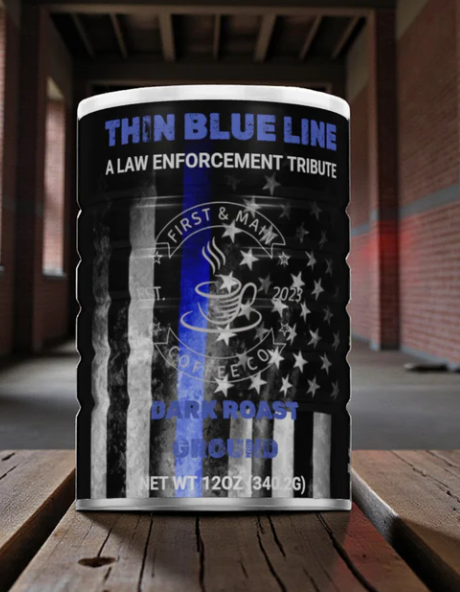
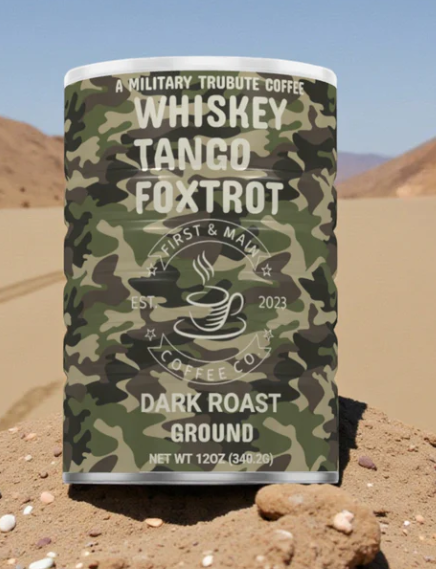
Coffee subscription services are sitting on some of the most interesting consumer preference data sets in the specialty food space. When customers rate coffees, adjust their subscriptions toward certain origins or roast profiles, and provide feedback through app interfaces, they generate rich signals about flavor preference evolution. Brands that use this data thoughtfully can create personalization experiences that feel remarkably accurate. Recommending a new origin based on a customer’s demonstrated preference for high-acid washed coffees, for example, transforms a generic subscription into a curated advisory relationship. Brands like premium coffee beans specialists at First and Main Coffee Co. are exploring how quality sourcing and customer data intelligence can work together to elevate the buyer experience.
Inventory and Forecasting: How Data Reduces Waste in Premium Food Businesses
Premium products with freshness requirements face a constant tension between adequate supply and waste prevention. Too little inventory means disappointed customers and missed sales. Too much means stale product and margin erosion. Data-driven forecasting, incorporating sales history, subscription renewal patterns, seasonal trends, and promotional calendars, dramatically improves this balance. For small premium food businesses, investing in even basic demand forecasting tools can yield significant improvements in both product quality and profitability.
The Future of AI in Specialty Coffee Quality Evaluation
Artificial intelligence is beginning to assist in quality evaluation tasks that have traditionally required trained human palates. Spectral analysis combined with machine learning models can now predict certain cupped flavor attributes of green coffee with increasing accuracy, allowing roasters to prescreen large volumes more efficiently before committing to extensive sensory evaluation.
Conclusion
The best premium coffee beans businesses of the next decade will be those that combine artisanal expertise with data intelligence. This integration is not about replacing craft with algorithm. It is about using information to protect and enhance the craft decisions that define quality. That balance is the future of premium product businesses in every category.
About the Author