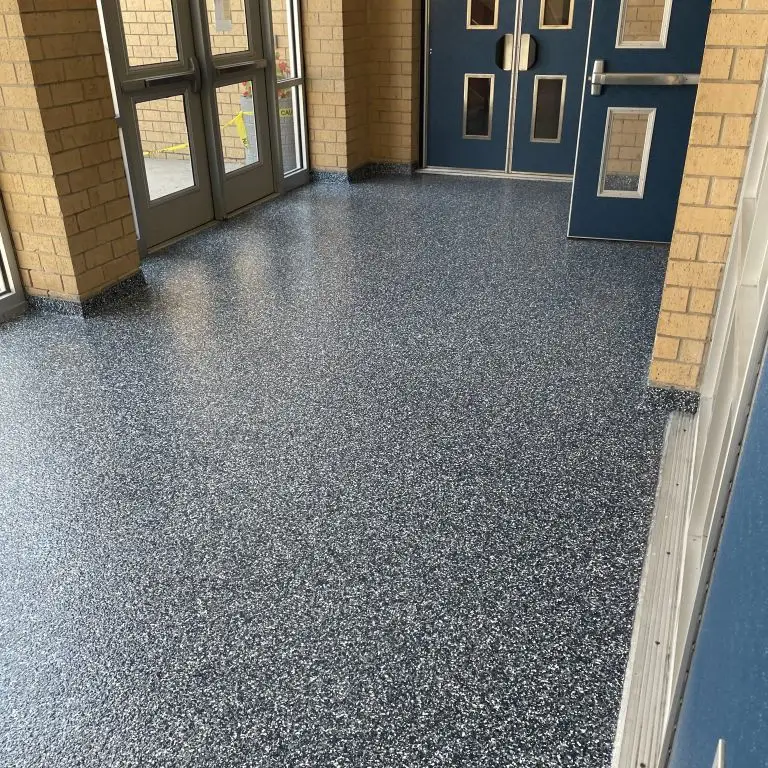
Running a bustling commercial kitchen isn’t just about crafting delicious meals; it’s also about creating a safe, functional, and aesthetically pleasing environment for staff. One of the most overlooked yet critical elements in a kitchen’s design is the flooring. The right floor can improve safety, efficiency, and hygiene, while the wrong choice may lead to slips, costly repairs, or health code violations. In this guide, we’ll explore everything you need to know about selecting and maintaining the ideal commercial kitchen flooring for your business.
Why Commercial Kitchen Flooring Matters
When people think about a commercial kitchen, they usually imagine chefs at work, clanging pots, and sizzling pans—but rarely do they consider the floor beneath them. Yet, the flooring is a crucial component for several reasons:
- Safety: Kitchens are high-risk areas for slips and falls. Wet floors, grease spills, and heavy equipment increase the likelihood of accidents. The right flooring reduces these hazards significantly.
- Hygiene: A non-porous, easy-to-clean floor prevents bacteria growth, keeping your kitchen up to code and your customers safe.
- Durability: Heavy foot traffic, dropped utensils, and frequent cleaning can wear down substandard floors. Investing in robust materials ensures your kitchen stands the test of time.
- Comfort: Kitchen staff spend hours standing, so flooring that provides a bit of cushioning can reduce fatigue and enhance productivity.
Choosing the right material requires careful consideration of these factors. Popular options include vinyl, epoxy, quarry tiles, and rubber. Each comes with its unique benefits and challenges, making it essential to match your flooring to your kitchen’s specific needs.
Top Materials for Commercial Kitchen Flooring
Selecting the right material for commercial kitchen flooring is more than just a matter of style. The practical considerations of safety, maintenance, and longevity often dictate the choice. Here’s a breakdown of some of the most commonly used materials:
- Vinyl: Vinyl is resilient, water-resistant, and relatively easy to install. It comes in a variety of finishes, making it both practical and visually appealing.
- Quarry Tiles: These are classic for a reason. Durable, non-slip, and heat-resistant, quarry tiles handle heavy traffic and frequent spills with ease.
- Epoxy Flooring: Ideal for kitchens that require seamless surfaces, epoxy is highly resistant to chemicals, stains, and water.
- Rubber Flooring: Provides comfort underfoot while offering slip resistance. Rubber is excellent in areas where staff may be standing for extended periods.
When making your decision, consider the specific activities in your kitchen. For instance, areas near fryers may benefit from more heat-resistant surfaces, while prep zones might prioritize comfort and ease of cleaning.
Maintenance Tips for Long-Lasting Floors
A durable floor can only stay effective if maintained properly. Here are some practical tips to keep your commercial kitchen flooring in peak condition:
- Clean spills immediately to prevent slips and stains.
- Use pH-neutral cleaners for routine maintenance to avoid damage.
- Schedule regular inspections to spot cracks or worn spots early.
- Encourage staff to wear non-slip shoes for additional safety.
Even with the best flooring, neglect can lead to costly repairs or health code violations. A consistent maintenance routine is the key to longevity.
Conclusion: Invest in Safety, Hygiene, and Style
Your kitchen floor may not be the star of the show, but it’s the foundation that supports everything else. Choosing the right commercial kitchen flooring means prioritizing safety, comfort, hygiene, and durability—all critical for running a successful operation. By selecting the appropriate materials and maintaining them properly, your commercial kitchen will remain a safe, efficient, and inviting space for both staff and customers. Remember, the right floor isn’t just an investment in infrastructure; it’s an investment in the overall success and reputation of your business.
About the Author